A Legendary Motorcycle with a Rich History
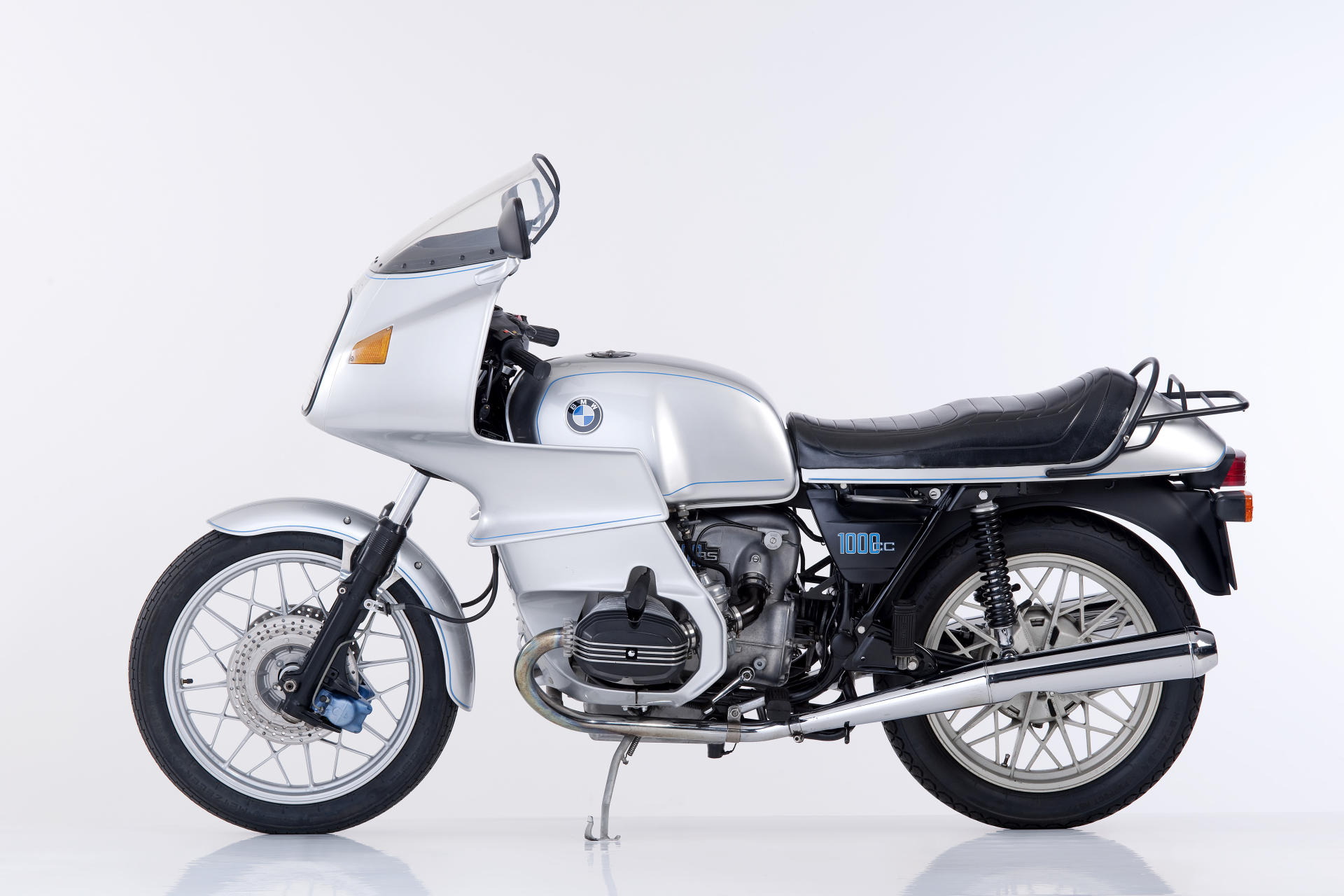
The BMW R100 is a motorcycle that has left an indelible mark on the world of motorcycling. First introduced in 1976, this iconic bike was part of BMW's "airhead" series, featuring an air-cooled, flat-twin engine that became synonymous with reliability and performance. Over the years, the R100 evolved into various models, each tailored to different riding styles, from touring to sport touring.
History and Evolution
The R100 series was a significant milestone for BMW, marking a period of innovation and expansion in their motorcycle lineup. The R100RS, in particular, was groundbreaking, as it was the first production motorcycle to feature a full fairing, setting a new standard for sport touring bikes. This design, crafted by renowned designer Hans Muth, not only provided aerodynamic benefits but also enhanced stability and comfort for long-distance rides.
Throughout its production run, the R100 underwent several updates. In the early 1980s, BMW transitioned from mechanical to electronic ignition systems and introduced Nikasil cylinders, which improved durability and reduced friction. The Monolever swingarm, introduced in later models, further enhanced stability by reducing the shaft effect during acceleration and braking.
Characteristics and Models
The R100 was available in several variants, each catering to different preferences:
- R100RS: Known for its sport touring capabilities, it featured a full fairing that provided excellent aerodynamics and protection for riders.
- R100RT: Focused on long-distance touring, it offered a more upright riding position and larger fairing for enhanced comfort.
- R100S: A sportier version with a cockpit fairing, appealing to those seeking a balance between performance and style.
- R100T: Designed for touring without a full fairing, it allowed for customization with accessories to suit individual needs.
Performance and Specifications
The R100 models were powered by a 980 cc air-cooled boxer engine, producing up to 70 horsepower in some variants. The R100RS, for example, could reach a top speed of approximately 188 km/h (117 mph). The bike's weight ranged from 230 to 248 kg, depending on the model.
Historical Value and Legacy
Today, the BMW R100 is highly regarded as a classic motorcycle. Its historical significance, combined with its reliability and performance, makes it a sought-after collector's item. The R100RS, in particular, is celebrated for pioneering the sport touring segment, influencing generations of motorcycles to come.
In recent years, the R100 has also become popular among custom builders, with many transforming these bikes into stylish cafe racers. This versatility has ensured the R100 remains relevant, not just as a piece of motorcycling history but as a platform for creativity and innovation.
Whether you're a seasoned collector or an enthusiast looking to own a piece of motorcycling history, the BMW R100 is an iconic bike that continues to captivate audiences worldwide. Its enduring appeal is a testament to BMW's commitment to quality, innovation, and the timeless allure of the "airhead" design.