Understanding Porsche Terminology
A Look into the Names Behind the Cars
Porsche's naming conventions can often seem complex, but there's a logical explanation behind each model's designation. Let's dive into the history and meaning behind these names.
Historical Background
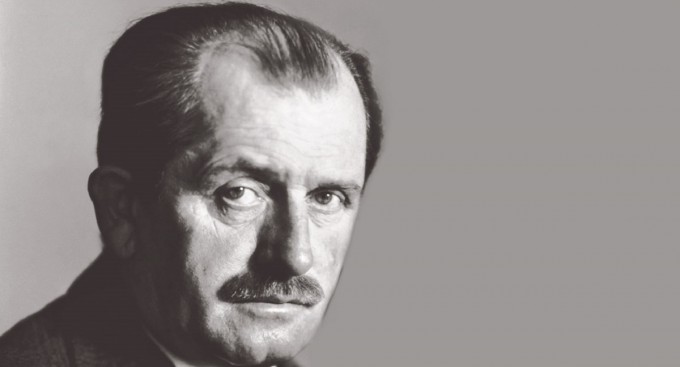
The tradition of using specific numbers and codes for Porsche models began in 1931 when Ferdinand Porsche's engineering office assigned a consecutive number to each project. This system was used for everything from car designs to tractor components. The first Porsche car, the 356, was born from this system in 1948, marking the beginning of the Porsche brand as we know it today.
Model Numbers
356: The first Porsche model, which evolved through generations marked by letters A, B, and C.
911: Originally intended to be the 901, but Peugeot's trademark issues led to the change. The 911 became an iconic model, with subsequent generations denoted by internal codes like 964, 993, 996, 997, 991, and 992
Suffixes and Designations
Porsche uses various suffixes to denote specific versions of their models:
Carrera: Originated from the Carrera Panamericana race, now often associated with the 911 series.
GTS: Stands for "Gran Turismo Sport," indicating high-performance models.
RS: Short for "RennSport," meaning racing sport, used for competition-derived cars.
S: Denotes a sport version with a more powerful engine.
4: Indicates all-wheel drive capability.
Executive: Refers to longer wheelbase versions, typically in the Panamera line, offering more space for rear passengers.
Evolution and Flexibility
Over time, Porsche has maintained its tradition of using three-digit codes while allowing for creative flexibility. Models like the Boxster (986, 987, 981, 982) and Cayenne (955) have their own internal codes. The use of these codes has become synonymous with Porsche's reputation for performance and reliability.